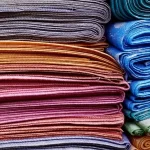
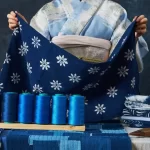
When people first see kimono fabric, they often notice the beauty right away — the colors, patterns, and textures that feel different from ordinary fabric.
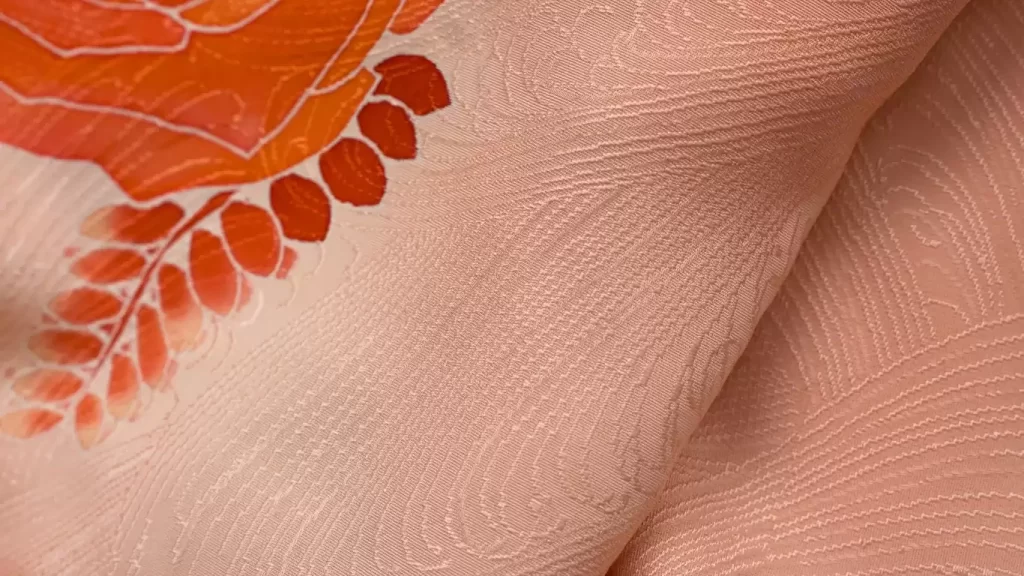
But what many people don’t realize is that kimono textiles are not just beautiful materials.
They are the result of centuries of craftsmanship, artistry, and cultural tradition.
Each piece of vintage kimono fabric carries a story — not only of the person who once wore it, but also of the many artisans who helped create it.
Understanding that craftsmanship is one of the reasons I feel deeply committed to repurposing kimono fabrics instead of letting them disappear.
A Tradition of Specialized Craft
Traditional kimono were rarely created by just one person.
Instead, several skilled artisans often worked together, each specializing in a specific part of the process. These could include:
• the textile weaver
• the dye artist
• the pattern designer
• the embroidery specialist
Some kimono fabrics were dyed using techniques that required many careful steps and days of work. Others were woven slowly on traditional looms to create complex textures or patterns.
This collaborative craftsmanship meant that a single kimono represented an extraordinary amount of knowledge and labor.
The Meaning Hidden in Patterns
Kimono patterns are not random decoration. Many designs carry symbolic meanings connected to nature, seasons, and wishes for good fortune.
For example:
• Cranes symbolize longevity and good luck
• Cherry blossoms represent the beauty and fragility of life
• Waves often symbolize resilience and continuity
• Pine trees represent strength and endurance
These patterns were traditionally chosen carefully depending on the season, occasion, or stage of life.
In many cases, the motifs were also painted or dyed by hand, making each textile subtly unique.
Techniques That Are Rare Today
Some traditional kimono fabrics were created using techniques that are rarely practiced today.
Examples include:
• Yuzen dyeing, where designs are hand-painted with resist paste to control color
• Kasuri weaving, which creates blurred patterns through resist-dyed threads
• Shibori, a type of intricate tie-dye technique
• Nishijin weaving, known for luxurious silk brocades
These techniques require years of training and careful attention to detail.
Because modern clothing production focuses on speed and cost efficiency, many of these slow textile traditions are becoming less common.
Why Vintage Kimono Fabrics Matter
Today, many beautiful kimono fabrics end up forgotten in storage or even discarded.
Sometimes the garments are damaged, outdated, or simply no longer worn in modern daily life.
But the fabric itself often remains incredibly beautiful and strong.
By repurposing these textiles into new handmade items, the craftsmanship behind them continues to be appreciated instead of disappearing.
Every time someone carries a bag, pouch, or accessory made from kimono fabric, they are carrying a small piece of that artistic tradition.
Continuing the Story
Working with kimono fabric always reminds me that these materials were never meant to be disposable.
They were created with intention, patience, and skill.
Repurposing them is not only about sustainability — it is also about respect for the craftsmanship and history woven into every thread.
Each new handmade piece becomes part of the fabric’s ongoing story.
And in a small way, it helps keep these traditions alive.
When I work with vintage kimono fabric, I often imagine the artisans who dyed or wove the textile many decades ago. Turning these fabrics into new handmade pieces feels like continuing that story rather than letting it disappear.