What Happens to a Kimono Before It Becomes a Bag
Many people ask where the fabric in my handmade pieces comes from.
The answer is simple: second-hand kimono.
Rather than buying new fabric, I search for vintage garments that can be carefully taken apart and given a second life.
The process is not complicated or glamorous. It is slow, quiet work done one piece at a time — but it allows beautiful textiles to be used again instead of forgotten.
Here is what that journey usually looks like.
Finding Second-Hand Kimono
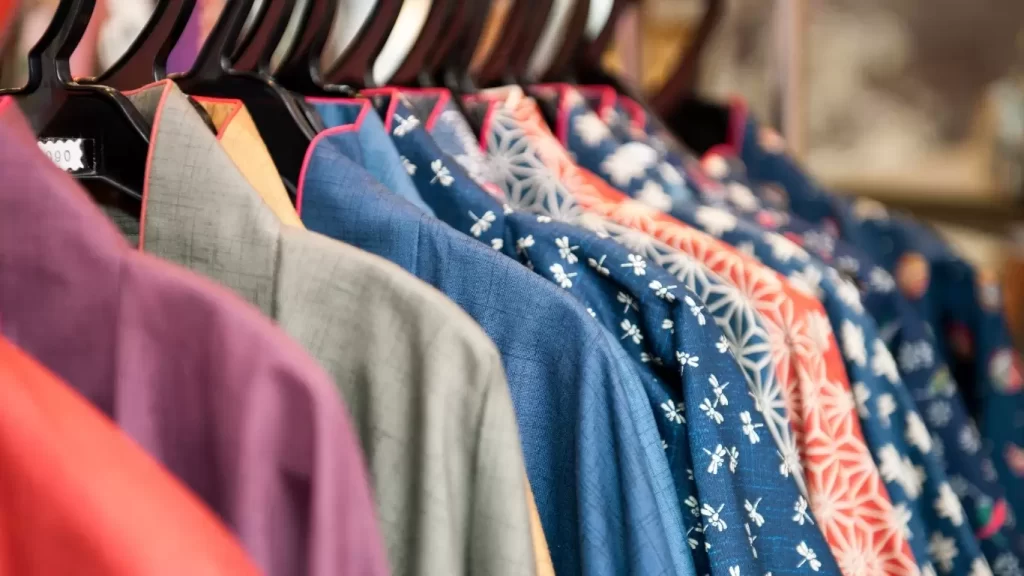
Most of the kimono I work with come from second-hand sources.
Sometimes I find them on online marketplaces like eBay. Other times I import them from Japanese resale websites. When I travel to Japan, I also enjoy visiting local thrift stores to see what I might discover.
Each kimono is different, and I do not approach the search as a textile expert. Instead, I look for pieces that feel beautiful and worth saving.
Often that means noticing:
- colors that stand out
- interesting patterns
- fabrics that still feel strong
- garments that are affordable enough to repurpose
Sometimes a kimono may be damaged or stained as clothing but still contain large sections of usable fabric.
Those pieces are perfect for repurposing.
Carefully Taking the Kimono Apart
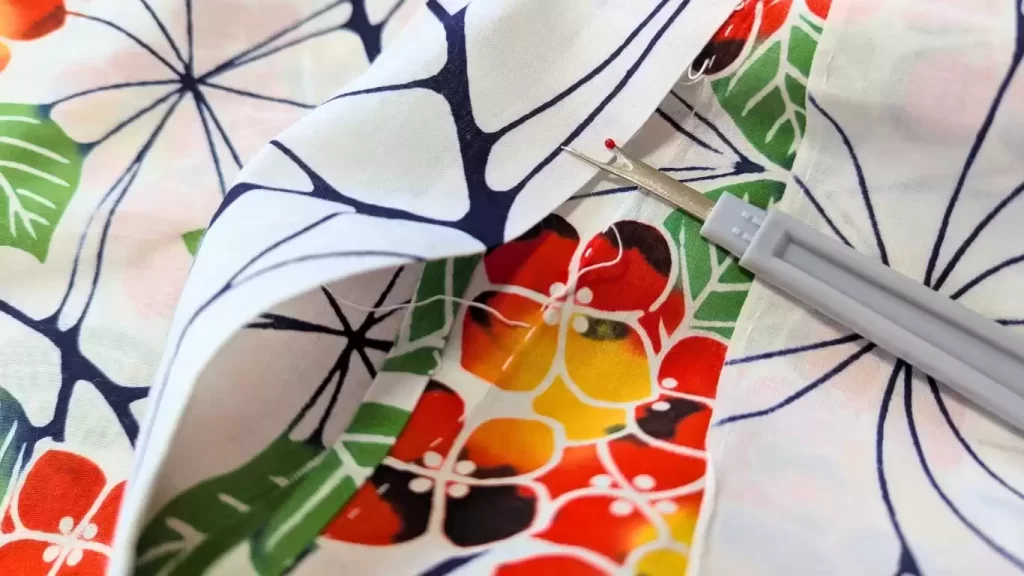
Once a kimono arrives, the first step is deconstruction.
Traditional kimono are constructed from long panels of fabric sewn together with relatively simple seams. Because of this structure, they can be carefully taken apart.
I do this by hand, one seam at a time.
This slow process allows the fabric panels to be separated without damaging the material.
It also reveals how thoughtfully these garments were originally constructed.
Washing and Preparing the Fabric
After the panels are separated, the fabric is carefully inspected and, if needed, gently cleaned.
To help preserve the vintage material, I use a gentle washing method with cool water and a small amount of fragrance-free detergent when appropriate. Similar fabrics and colors may be washed together to help protect the textiles while preparing them for their next life.
Once the fabric is dry, each panel is carefully ironed and pressed.
Pressing helps restore the shape of the fabric after years of being folded and worn as a garment.
Vintage fabrics sometimes carry a faint scent from long-term storage. After deconstruction, the fabric is gently washed when needed and thoroughly aired before being transformed into handmade items.
Sorting the Fabric for Future Projects
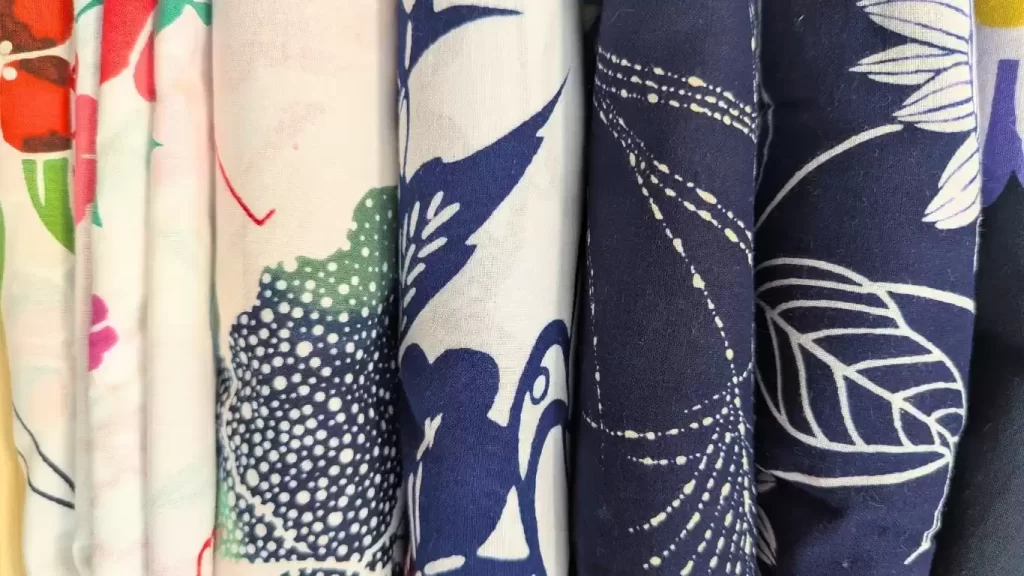
At this point the kimono is no longer a garment — it has become usable textile panels.
I sort these panels based on:
- color
- pattern
- fabric type
- size of usable sections
Different fabrics work better for different projects.
For example, certain patterns may work beautifully for tote bags, while others are perfect for smaller accessories like pouches or glasses cases.
Cutting for Handmade Projects
Once I decide what a fabric might become, the panels are cut for that specific project.
Because kimono panels are long and narrow, planning is important. I try to use the most beautiful parts of the textile while minimizing waste.
Every piece is cut individually, which means the placement of the pattern can vary slightly from item to item.
This is part of what makes each handmade piece unique.
Giving Vintage Fabric a Second Life
The kimono fabrics I use may have been made many years ago.
Some may have been worn only a few times. Others may have been stored away for decades.
Repurposing these textiles allows them to continue their story in a new form — as a bag, pouch, or small everyday item.
Instead of remaining folded in storage or eventually discarded, the fabric becomes something useful again.
A Quiet Kind of Craftsmanship
The work of repurposing kimono fabric is not fast.
Each garment must be sourced, taken apart, cleaned, pressed, sorted, and sewn.
But there is something meaningful about giving these textiles another life.
Every finished piece carries a small part of that journey — from a traditional garment to something that can be used and appreciated again.