

In Japan and beyond, many beautiful old kimono (and their fabric) are silently discarded — even when they’re still full of history, craftsmanship, and potential. But there’s a growing movement of artisans, up‑cyclers, and small business owners who believe those fabrics deserve a second life.
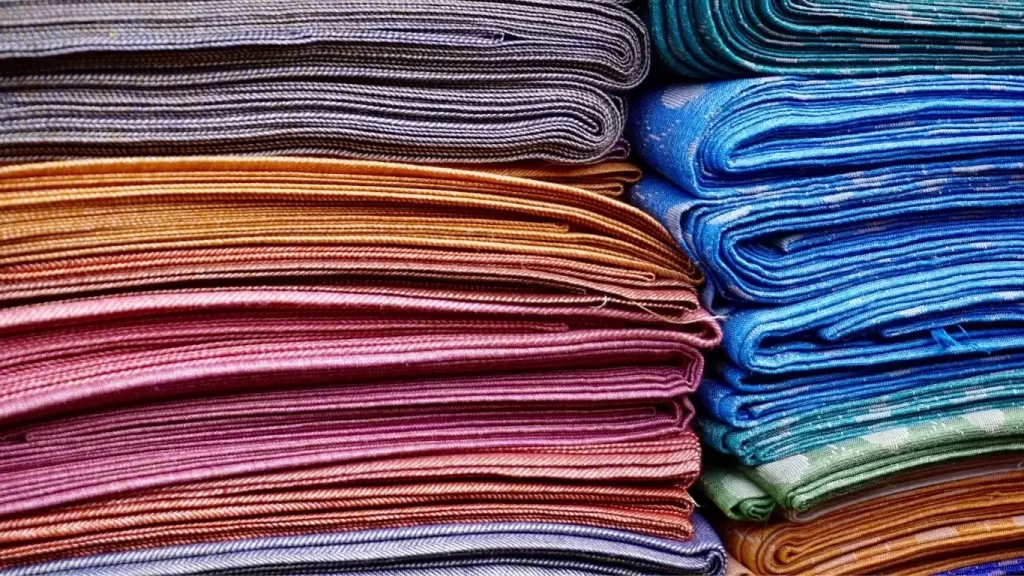
Why So Many Kimonos (and Fabric) Are Discarded
- According to recent reporting, around 500 tonnes of barely‑used kimonos are discarded annually in Japan. Many of them are too worn, outdated, or simply unused — and end up as waste. euronews+1
- Historically, kimonos were meant to be cherished across generations — repaired, re‑sized, re‑used. But as lifestyles change and fewer people wear traditional clothes on a daily basis, many kimonos lose their value in the eyes of owners. Nippon+2Sustainable Japan by The Japan Times+2
- As a result, large quantities of cloth — often high‑quality silk, cotton, or mixed‑textile blends — get thrown away or recycled in low‑value ways (rags, mattress stuffing, general textile waste). Recycling International+2プレスリリース・ニュースリリース配信シェアNo.1|PR TIMES+2
This represents not only environmental waste — but also a loss of culture, craftsmanship, and heritage embedded in each fabric.
Why Upcycling / Repurposing Kimono Fabric Matters
Turning old—and otherwise discarded—kimono fabric into something new has many benefits beyond just “reuse.”
- It reduces textile waste. Companies and artisans who reclaim old kimono fabric are helping divert potentially thousands of garments from landfill or incineration. For example, a business initiative successfully reused over 415,000 kimonos and obi sashes, turning them into new bolts of cloth for craftwork and design. zenbird.media+1
- It preserves cultural heritage. Each kimono fabric carries traditional dyes, patterns, textile techniques — a history. By transforming them into accessories, home‑goods, or other crafts, upcyclers honor that legacy rather than letting it disappear. Recycling International+2和文化サロン なごみ+2
- It supports circular economy & sustainability. Using existing material conserves resources, reduces demand for new textile production (which often has heavy environmental cost), and gives fabric multiple lives. プレスリリース・ニュースリリース配信シェアNo.1|PR TIMES+2O Tsukiyo+2
- It offers unique, one‑of‑a‑kind products. Because each kimono (or kimono panel) is unique, items made from upcycled fabric carry individuality — something mass‑produced textiles rarely give.
Real Life: How People & Businesses Upcycle Kimonos
There are many inspiring examples of people and companies giving discarded kimono new life:
- Tokyo Kimono Shoes — they take kimonos that would otherwise be thrown away, and use the fabric (and obi) to make sneakers, bags, and leather goods. Their mission embraces the “no‑waste” philosophy and blends traditional fabric with modern fashion. Nippon+2FutureNow Green News Aust-Asia -+2
- Nihon Reuse System — through their “ohariko” project, they recycle discarded kimonos and obi, turning them into new bolts of cloth that designers and artisans can reuse. Over 400,000 garments have been given new life this way. zenbird.media+1
- Independent artisans and small‑shop makers (like you!) — many now collect non‑wearable kimono, deconstruct them, and create accessories, bags, pouches, home‑goods, and decor items, valuing both the fabric’s beauty and its history. 和文化サロン なごみ+2Recycling International+2
Why This Matters — Personally and for the Planet
For you — and for anyone who cherishes handmade, meaningful goods — the choice to upcycle kimono fabric is not only eco‑friendly but deeply symbolic.
- It honours the original craftsmanship and generations of artisans.
- It breathes new life into materials that would otherwise be wasted.
- Each finished piece becomes a story — of tradition, respect, sustainability, and creativity.
- It gives purpose to what many would consider “waste,” turning it into beauty.
Given how limited resources are, and how much textiles contribute to waste and environmental load — choosing to upcycle, rather than discard — is small but meaningful.
My Wish for the Future (and for Every Handmade‑Fabric Lover)
I hope more people — both inside Japan and around the world — start seeing old fabrics not as trash, but as opportunities.
- More upcyclers and small artisans embracing fabric salvage.
- More awareness among people who inherit old kimonos — that even if they no longer wear them, the fabric still has value.
- A revived appreciation for durability, longevity, and craftsmanship that respects resources.
- A world where garments and fabrics don’t end up in landfill after one life — but get many lives, many stories, many uses.
As someone who already rescues non‑wearable kimonos and gives them new purpose — I feel proud to be part of this movement. And I believe every small piece you make — every bag, pouch, or cushion — carries that spirit forward.