When people hear the word kimono, they often picture beautiful patterns or elegant sleeves. But what’s less talked about is the fabric itself — what it’s made of, how it was created, and why it’s so different from modern textiles.
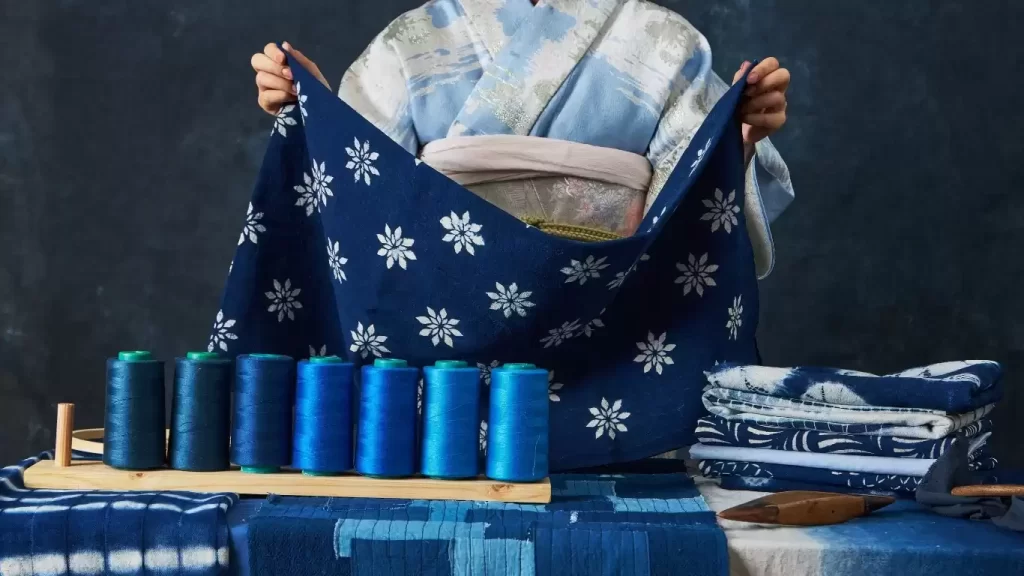
Understanding kimono materials helps explain why saving and reusing them matters, and why each piece of fabric carries more than just visual beauty.
Kimono Fabric Was Designed to Last
Traditional kimonos were not made with short-term trends in mind. They were created to be worn, taken apart, re-sewn, and reused across generations.
A single kimono could live many lives:
- Worn by one person, then altered for another
- Carefully unstitched and washed
- Re-tailored into a different garment
- Eventually repurposed into household items
This was not considered recycling — it was simply how things were done.
Common Materials Found in Vintage Kimonos
Silk (絹 / Kinu)
Silk is the most well-known kimono material, especially for formal wear. Vintage silk kimono fabric often feels lighter and more complex than modern silk.
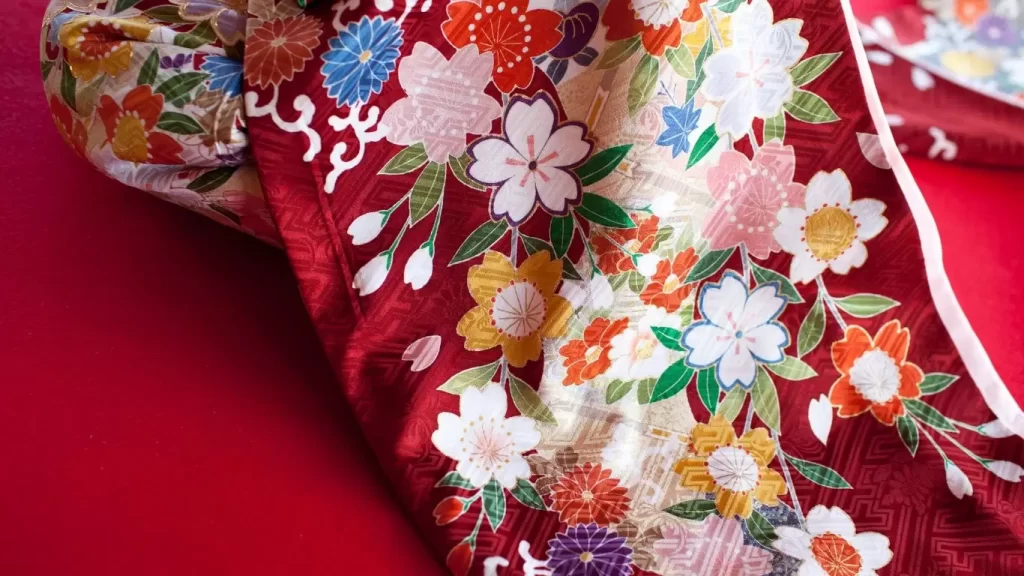
Why it’s special:
- Naturally breathable and temperature-regulating
- Holds dye exceptionally well
- Develops a soft patina over time
Many silk kimonos were hand-dyed or hand-woven, making even small fabric sections unique.
Cotton (木綿 / Momen)
Cotton kimonos were worn daily, especially by working people. These fabrics may look simple at first glance, but they are incredibly durable.
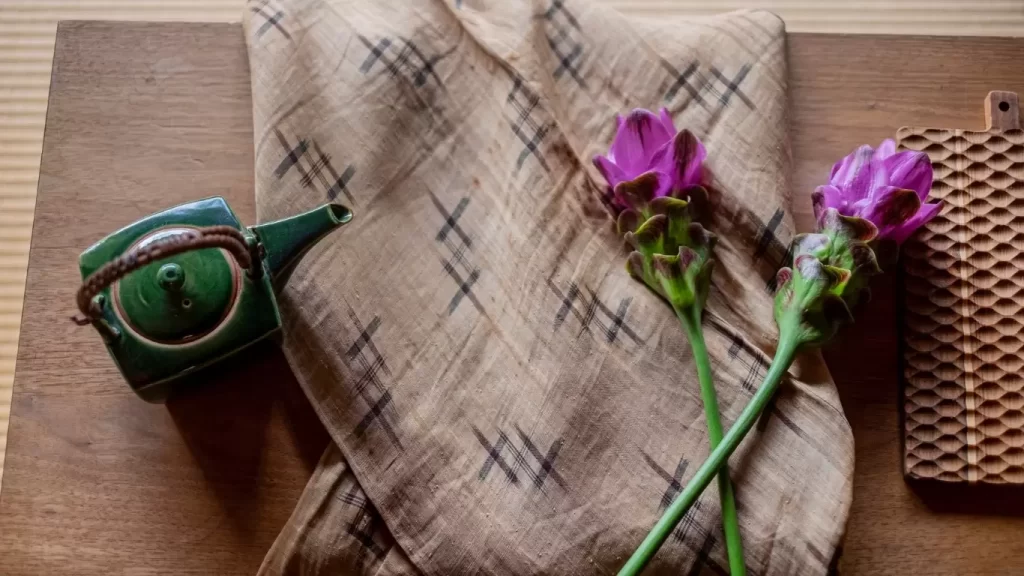
What makes them valuable:
- Strong fibers that age well
- Patterns created through resist-dyeing techniques
- Comfortable texture softened by years of use
Cotton kimono fabric often tells the most honest stories of everyday life.
Wool and Blends
In colder regions, wool kimonos were common. These fabrics were practical, warm, and meant for repeated wear.
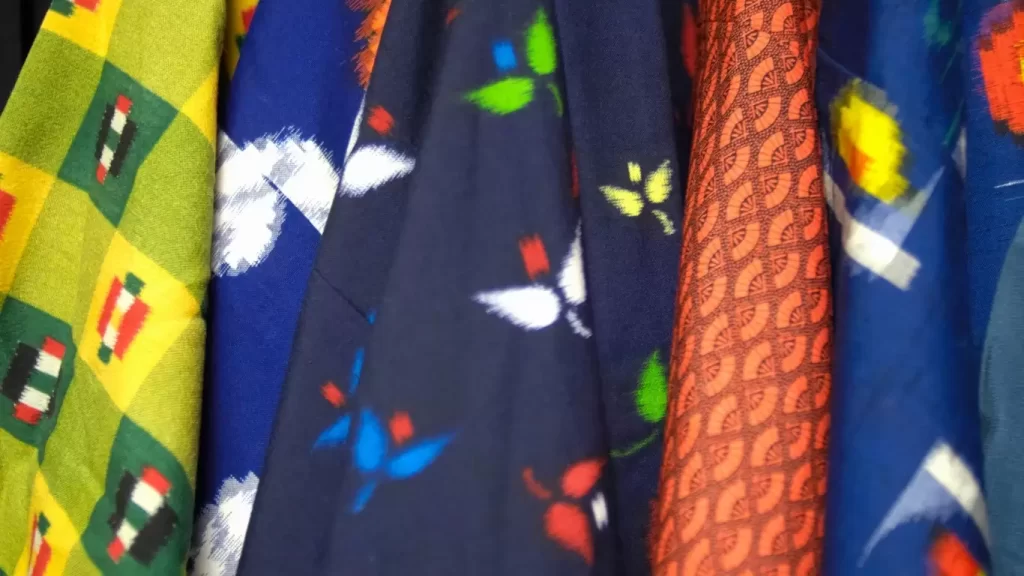
They often feature:
- Subtle patterns woven directly into the fabric
- Heavier texture than silk or cotton
- Earthy, muted color palettes
Why Vintage Kimono Fabric Can’t Be Replaced
Many kimono textiles were produced using techniques that are now rare or no longer practiced.
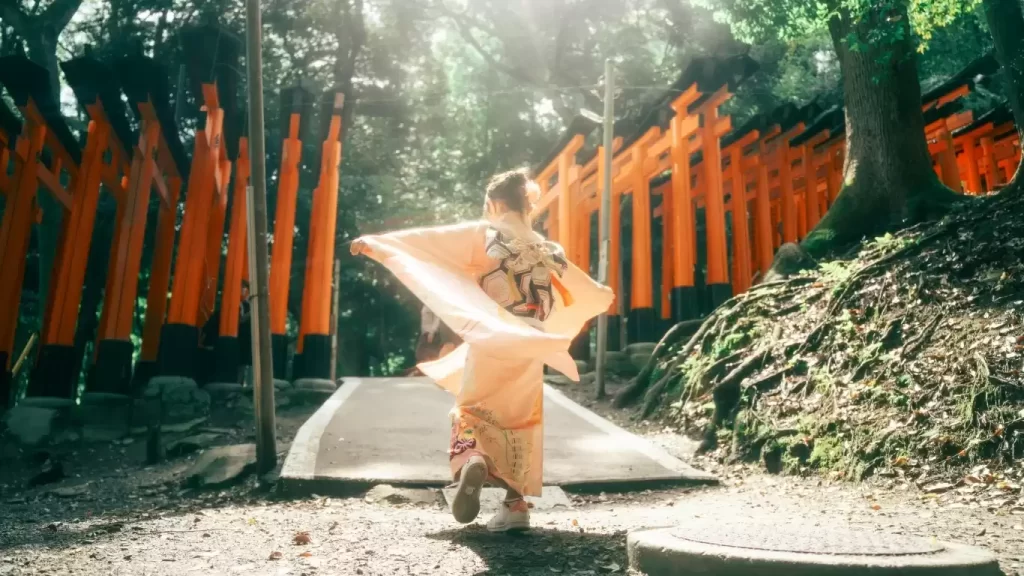
Today, those methods face challenges such as:
- Fewer artisans trained in traditional dyeing
- High production costs
- Limited demand for handmade textiles
Once these fabrics are discarded, they cannot simply be reproduced.
Giving Fabric a Second Life
Repurposing kimono fabric is not about cutting it into pieces and forgetting its origin. It’s about allowing the material to continue being useful — and appreciated.
When kimono fabric is transformed into bags, pouches, or everyday items:
- The fabric remains in daily life
- The craftsmanship continues to be seen
- The story does not end quietly
Each item becomes a bridge between past and present.
Choosing Items With a Story
When you choose something made from vintage kimono fabric, you’re not just choosing a pattern.
You’re choosing:
- Materials that already exist
- Craftsmanship that deserves respect
- A slower, more intentional way of consuming
Saving kimono fabric doesn’t preserve the past for nostalgia’s sake — it keeps it alive in the present.